Weather, crowds and prices across Cairo, the Nile Valley, the Red Sea and the desert — plus what to expect if you travel during Ramadan.
The short answer
For most travellers, October to April is the best time to visit Egypt. Days are warm and sunny, nights are cool, and long sightseeing days in Cairo, Luxor and Aswan are comfortable. But Egypt is a big country, and the right month depends on where you're going and what you want to do. Here's how the year looks, region by region.
Egypt's regions at a glance
- Cairo, Giza and Alexandria — mild winters and hot summers. Alexandria is cooler and breezier, with most of its rain falling in winter.
- Luxor and Aswan — warm, dry winters with cool nights; very hot summers, often above 40°C in the afternoon.
- The Red Sea and Sinai — sunny all year. Winter days are pleasant but the water feels fresh; summer is hot, with the sea at its warmest.
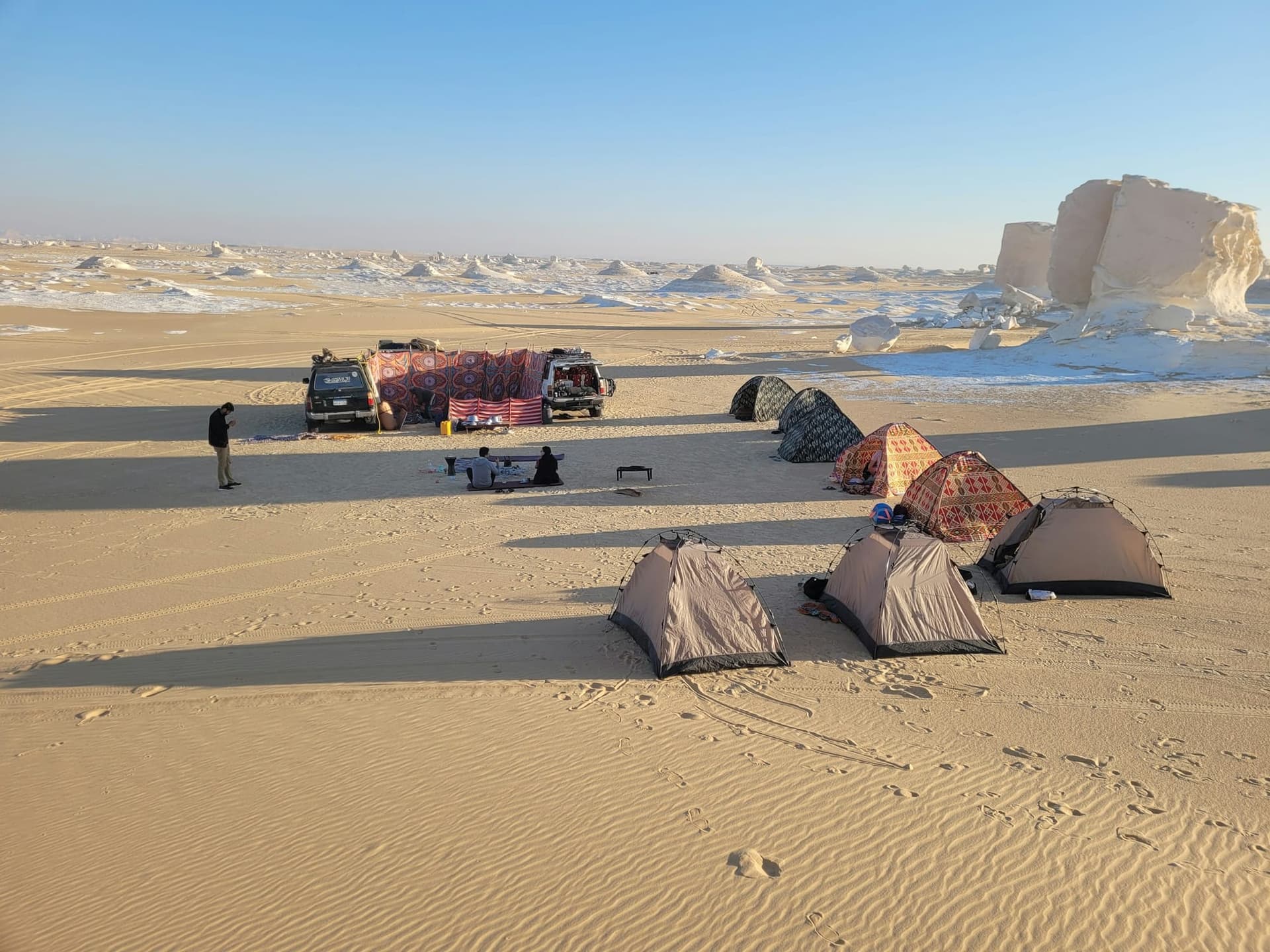
- The Western Desert (the White Desert, Bahariya and Siwa) — best from October to April. Summer days are scorching, and winter nights can approach freezing.
Winter: December to February
This is peak season. Cairo days are mild, Luxor and Aswan are warm and bright, and the desert is at its best for camping, as long as you pack a warm jacket for the nights. Christmas, New Year and the weeks around them are the busiest time of year: hotels and Nile cruises charge their highest rates, and popular sites such as the Valley of the Kings and Abu Simbel are crowded by mid-morning. Book well ahead and plan early starts.
The Red Sea is still sunny, but the water is cooler and the wind on the boat can feel chilly. A rash vest or a light wetsuit makes snorkelling more comfortable.
Spring: March to May
March and April are excellent months almost everywhere: warm days, longer light and fewer crowds than midwinter, except around Easter. From late March the khamaseen, a hot, dusty wind from the Sahara, can blow for a day or two at a time, bringing hazy skies and the occasional sandstorm. By May the Nile Valley is getting properly hot, and sightseeing moves to the early morning.
Summer: June to September
This is low season in the Nile Valley. Luxor and Aswan are very hot, but hotels and cruises are noticeably cheaper and the temples are much quieter. If you don't mind starting at dawn and resting through the afternoon, it can be a rewarding time to travel. Cairo is hot and often humid.
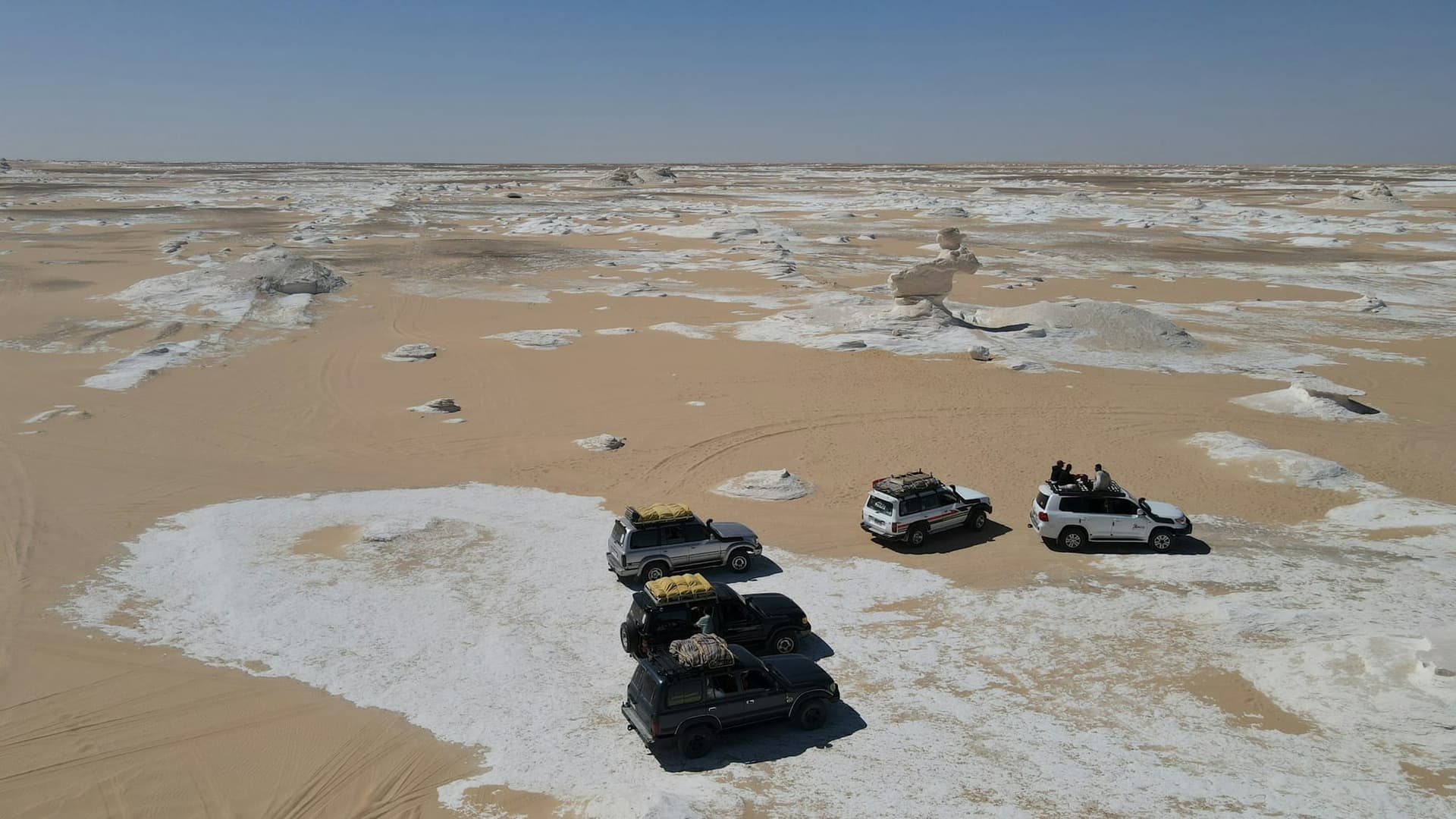
The Red Sea is a different story: summer is high season, with warm water, long days and families on school holidays. Desert trips still run, but we schedule them around the heat, driving in the late afternoon and heading back soon after sunrise.
Autumn: October and November
Our favourite time of year. The summer heat breaks, the Red Sea is still warm, desert nights are pleasant and the winter crowds haven't arrived yet. For many travellers it's the best balance of weather, prices and space at the sites.
Travelling during Ramadan
Ramadan, the Muslim month of fasting, moves about eleven days earlier each year; in 2027 and 2028 it falls mostly in February. Travelling during Ramadan is perfectly possible. Sites, hotels and tourist restaurants stay open, although opening hours are often shorter and some local cafés close during the day. It's polite not to eat, drink or smoke in public in daylight. The evenings are the reward: after sunset, families gather for iftar, streets fill with lanterns and the markets stay busy late into the night.
The Eid holiday at the end of Ramadan, and Eid al-Adha about two months later, are busy with Egyptian families travelling, especially on the coast. If your dates overlap, book transport and hotels early.
A few dates worth planning around
- The Abu Simbel sun festival. Around 22 February and 22 October, the rising sun reaches deep into the Great Temple and lights the statues in its sanctuary. It's a remarkable sight, but expect big crowds and a very early start.
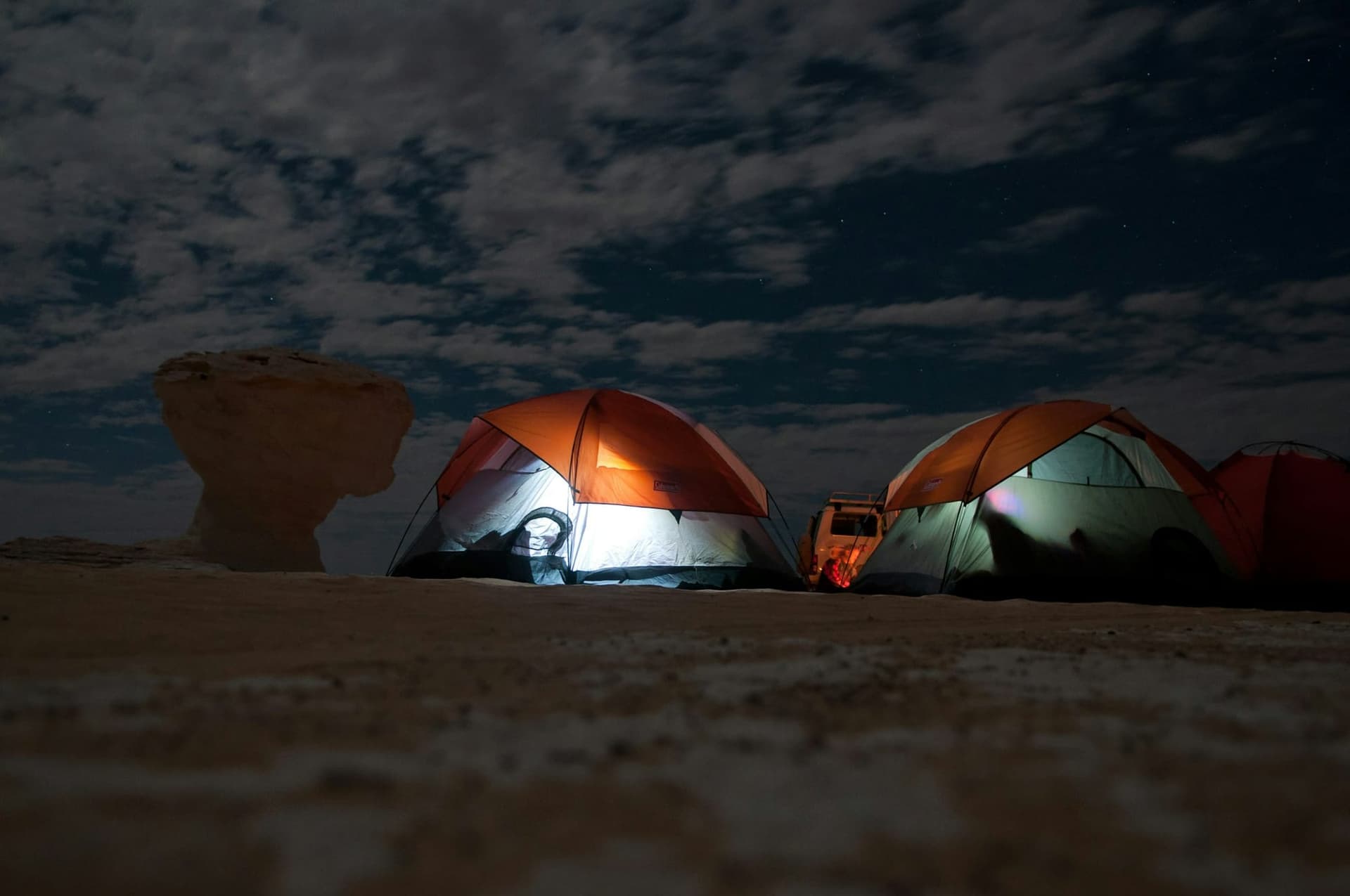
- The new moon. For stargazing in the White Desert, plan your night within a few days of the new moon, when the sky is darkest.
- School holidays. European school holidays fill the Red Sea resorts, and Egyptian mid-year holidays, usually in late January and early February, bring more local visitors to the main sites.
Prices and crowds in brief
- Busiest and most expensive: late December to early January, and Easter.
- Best balance of weather and value: October, November, March and early April, outside holiday weeks.
- Lowest prices: June to August in Luxor and Aswan.
Our recommendation
If you're combining Cairo, the Nile and the desert, aim for October, November, March or early April. If the Red Sea is the main event, any month works, with the warmest water from June to October. And if your dates are fixed, don't worry: there is no wrong time to visit Egypt, only different ways to plan the days.